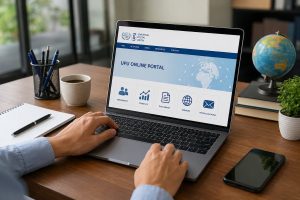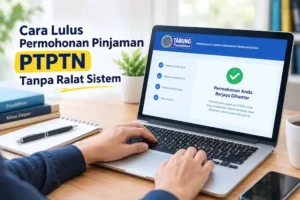

Melihat perkataan “TAHNIAH” berwarna hijau terpampang di skrin portal UPUOnline sememangnya satu detik yang melegakan buat setiap calon dan ibu bapa. Segala penat lelah menelaah pelajaran akhirnya berbaloi. Namun, hakikat birokrasi yang sebenar baru sahaja bermula. Ramai calon lepasan sekolah yang tersilap langkah pada fasa kritikal ini; terlalu leka meraikan kejayaan sehingga terlepas tarikh akhir pengesahan, atau salah faham membezakan antara portal UPU dan portal rasmi universiti.
Sebagai pentadbir yang arif tentang pengurusan pendaftaran awam, saya sering melihat rekod permohonan calon dibatalkan secara automatik (terbatal tawaran) semata-mata kerana kecuaian teknikal. Pengurusan pasca-tawaran memerlukan kepantasan dan ketelitian dokumentasi. Panduan teknikal ini akan merungkai prosedur rasmi yang wajib anda laksanakan dalam tempoh 7 hari pertama selepas keputusan UPU diumumkan, agar kelayakan anda tidak diserahkan kepada calon rayuan yang lain.
Pra-Syarat & Senarai Semak Persediaan Awal
Sebaik sahaja anda mengetahui universiti mana yang menerima anda, jangan terus bergegas ke pusat beli-belah untuk membeli barang asrama. Fokus kepada pengurusan fail pentadbiran terlebih dahulu. Sediakan 4 perkara asas ini untuk mengelakkan anda terperangkap dalam kerenah birokrasi kemasukan.
- Buka Akaun SSPN Prime (Mandatori untuk PTPTN): Anda tidak boleh memohon pinjaman Perbadanan Tabung Pendidikan Tinggi Nasional (PTPTN) jika tidak mempunyai akaun Skim Simpanan Pendidikan Nasional (SSPN Prime). Buka secara dalam talian (online) pada hari yang sama anda mendapat tawaran.
- Sediakan Akaun Bank Simpanan Nasional (BSN) atau Bank Islam: Sebahagian besar urusan pembelian nombor pin PTPTN dan pembayaran yuran pendaftaran universiti awam (IPTA) dilakukan melalui saluran bank-bank rasmi ini.
- Kenal Pasti Pegawai Kerajaan Kumpulan A: Mula cari Pengetua, Guru Besar, Ketua Kampung (yang diiktiraf), atau Pegawai Kerajaan Gred 41 ke atas. Anda memerlukan cop rasmi mereka untuk mengesahkan (CTC) berpuluh-puluh helai salinan dokumen (Kad Pengenalan, Slip Gaji Ibu Bapa, Sijil SPM).
- Pencetak (Printer) dan Pengimbas (Scanner): Proses ini memerlukan anda mencetak Surat Tawaran, Borang Pemeriksaan Perubatan, dan Borang Pendaftaran. Jangan bergantung sepenuhnya kepada kedai siber kerana dokumen ini mengandungi maklumat peribadi yang sensitif.
Panduan Langkah demi Langkah: Pengesahan & Pendaftaran Digital
Proses mendaftar masuk ke universiti awam melibatkan dua sistem yang berbeza. Anda bermula di portal UPUOnline, dan kemudian akan berpindah sepenuhnya ke ekosistem portal universiti masing-masing.
Langkah 1: Klik “Setuju Terima” di Portal UPUOnline
Ini adalah tindakan mandatori pertama. Anda hanya diberikan tempoh yang sangat terhad (biasanya 5 hingga 7 hari sahaja) untuk membuat pengesahan. Kegagalan menekan butang ini akan menyebabkan sistem mengklasifikasikan anda sebagai “Menolak Tawaran”.
🎉 TAHNIAH! ANDA BERJAYA 🎉
Anda telah ditawarkan program pengajian berikut:
Institusi: Universiti Kebangsaan Malaysia (UKM)
Program: Ijazah Sarjana Muda Pentadbiran Perniagaan dengan Kepujian
Tarikh Akhir Maklum Balas: 25 September 2026, 11:59 Malam
Sila buat pilihan anda sekarang. Pilihan yang dihantar adalah MUKTAMAD.
SETUJU TERIMA
Langkah 2: Beralih ke Portal e-Daftar Universiti
Ingat: Surat Tawaran rasmi tidak dicetak dari portal UPU! Selepas menekan setuju terima di UPU, anda perlu menunggu sekitar 24 ke 48 jam sebelum log masuk ke portal universiti anda (contohnya portal SMPWeb UKM, atau e-Daftar UiTM). Di sinilah anda akan mencetak Surat Tawaran, Bil Yuran, dan dokumen asrama.
PAPAN PEMUKA PELAJAR BAHARU:
- 📄 Muat Turun Surat Tawaran Rasmi (PDF)
- 💵 Cetak Invois / Bil Yuran Pendaftaran
- 🏥 Borang Pemeriksaan Kesihatan (Medical Check-up)
- 🏨 Semakan Penempatan Kolej Kediaman (Asrama)
Langkah 3: Pemeriksaan Perubatan (Medical Check-Up)
Bawa borang kesihatan yang dimuat turun dari portal universiti ke Klinik Kesihatan Kerajaan (disyorkan kerana caj lebih murah) atau klinik swasta. Anda wajib menjalani ujian X-Ray dada (untuk mengesan Tibi) dan ujian air kencing (pengesanan dadah). Sila buat temujanji seawal mungkin kerana keputusan X-Ray kadangkala memakan masa berhari-hari untuk dikeluarkan.
Jadual Rujukan: Perbandingan Saluran Bantuan Kewangan IPTA
Kewangan adalah faktor utama yang sering membantutkan pendaftaran. Jangan panik jika ibu bapa tidak mampu membayar yuran penuh. Berikut adalah jadual perbandingan opsyen pembiayaan yang perlu anda mohon sebaik sahaja Surat Tawaran dicetak.
| Jenis Bantuan | Ciri-Ciri Pembiayaan | Syarat Pentadbiran / Kelayakan |
|---|---|---|
| PTPTN (Pinjaman Pendidikan) | Menampung yuran pengajian dan kos sara hidup (mengikut kategori B40/M40). Boleh ditukar menjadi biasiswa (pengecualian bayaran balik) jika mendapat Ijazah Kelas Pertama. | Wajib ada SSPN Prime. Permohonan dibuat melalui portal PTPTN menggunakan nombor pin yang dibeli di BSN. |
| Biasiswa JPA (PIDN / LSP) | Ditawarkan dalam bentuk Pinjaman Boleh Ubah (PBU). Ditanggung sepenuhnya jika berkhidmat dengan kerajaan selepas tamat pengajian. | Sangat kompetitif. Memerlukan CGPA/PNGK pra-universiti yang tinggi dan melepasi ujian saringan serta temu duga berstruktur JPA. |
| Biasiswa Yayasan Negeri / Zakat | Bantuan *One-off* (bayaran sekali gus) untuk yuran pendaftaran atau biasiswa penuh. | Hanya terbuka untuk anak kelahiran negeri tersebut. Pemohon Mualaf / Asnaf diutamakan bagi dana Zakat. |
Nasihat Pentadbiran / Tips Orang Dalam
Kesilapan dokumentasi yang paling banyak dilakukan oleh pelajar baharu di dewan pendaftaran adalah berkaitan “Salinan Diakui Sah” (Certified True Copy – CTC). Pihak urusetia IPTA sangat tegas dalam hal ini.
Jangan sekadar fotostat kad pengenalan dan biarkan ia kosong. Anda wajib membawa salinan tersebut kepada Pegawai Kerajaan Kumpulan A (Pengurusan dan Profesional Gred 41 ke atas). Pastikan cop jawatan pegawai tersebut jelas, mempunyai nama penuh, jawatan, jabatan, dan tandatangan hidup (bukan cop tandatangan). Salinan yang disahkan oleh Pesuruhjaya Sumpah swasta untuk dokumen akademik kerajaan lazimnya akan ditolak oleh pentadbiran hal ehwal pelajar (HEP).
Bagi permohonan PTPTN, wang pendahuluan (WPP) sebanyak RM1,500 biasanya akan diagihkan sebelum hari pendaftaran (bagi yang layak dan berstatus B40). Jika anda menerima waran WPP ini, tunaikan ia di kaunter Bank Islam dengan membawa MyKad dan Surat Tawaran Universiti. Wang ini adalah talian hayat untuk anda membayar yuran pendaftaran dan membeli tiket bas ke kampus.
Penyelesaian Masalah & Ralat Sistem Kemasukan
Portal universiti adakalanya gagal berfungsi dengan baik pada minggu-minggu genting. Berikut adalah 3 situasi krisis dan cara menguruskan birokrasi ini dengan cermat.
1. Tertekan Butang “Tolak Tawaran” Secara Tidak Sengaja
- Punca: Panik, skrin telefon yang sensitif, atau keliru dengan arahan pada skrin telefon pintar semasa mengakses portal UPUOnline.
- Penyelesaian: Tiada butang “Undo” di dalam portal. Anda perlu bertindak dalam tempoh 24 jam. Hubungi terus talian *Hotline* Bahagian Kemasukan Pelajar IPTA (BKPA) JPT di Kementerian Pendidikan Tinggi. Jika anda lambat bertindak sehingga tarikh tutup sistem, permohonan anda akan terkunci dan anda akan dilucutkan hak sepenuhnya.
2. Data PTPTN: “Sila Pastikan Nama IPT & Program Bertepatan Dengan Surat Tawaran”
- Punca: Semasa memohon PTPTN, anda memilih nama program dari menu pilihan (dropdown) yang nampak serupa tetapi berbeza kod, berbanding apa yang tercetak pada surat tawaran.
- Penyelesaian: Kod program PTPTN mesti 100% tepat. Jika ijazah anda adalah “Ijazah Sarjana Muda Sastera (Geografi)”, jangan pilih “Ijazah Sarjana Muda Sastera” sahaja. Jika tersilap hantar (submit) di portal PTPTN, permohonan akan tersangkut. Anda perlu membatalkan permohonan tersebut (beli pin baru) atau memohon pindaan terus ke cawangan PTPTN sebelum perjanjian dicetak.
3. Surat Tawaran IPTA Tidak Boleh Dimuat Turun (Ralat Sistem)
- Punca: Anda telah menekan ‘Setuju Terima’ di UPU, tetapi portal universiti memaparkan “Tiada Rekod Dijumpai” atau pautan Surat Tawaran rosak (*broken link*).
- Penyelesaian: Ini adalah isu sinkronisasi (*batch data sync*) antara server UPU dan server universiti. Tunggu selewat-lewatnya 48 jam bekerja. Jika masih ralat, jangan mesej di media sosial, terus e-mel kepada Unit Kemasukan Akademik (BPA) universiti berkenaan disertakan dengan *screenshot* bukti kelulusan UPUOnline anda.
Soalan Lazim (FAQ) Calon Universiti
1. Boleh tak saya nak tangguhkan (defer) tawaran pendaftaran ini ke semester hadapan atas masalah kewangan/kesihatan?
Boleh, tetapi ia bukan proses automatik. Anda masih WAJIB menekan butang “Setuju Terima” di portal UPU terlebih dahulu. Selepas itu, anda perlu menulis surat rasmi permohonan penangguhan pendaftaran kepada Pendaftar Akademik universiti beserta dokumen sokongan (surat doktor pakar atau penyata kesempitan kewangan). Kelulusan adalah atas budi bicara Senat universiti.
2. Saya dapat tawaran kursus yang saya kurang minat (“kursus lelong”). Boleh saya buat pertukaran (Change of Program) pada hari lapor diri?
Sangat sukar. Proses permohonan kemasukan sudah ditetapkan kuotanya oleh kementerian. Anda tidak boleh menukar kursus merentas fakulti sewenang-wenangnya. Jika anda benar-benar menolak kursus tersebut, lebih baik klik “Tolak” dan buat e-Rayuan UPU, berbanding mendaftar dan berhenti pada pertengahan semester yang akan membebankan hutang yuran anda.
3. Jika saya terlupa dan terlepas tarikh akhir klik “Setuju Terima” di UPU, adakah masih ada harapan?
Secara rasminya, tawaran anda telah luput dan ditarik balik. Namun, sebagai ikhtiar terakhir, anda boleh mencuba menghubungi (call) Bahagian Pengurusan Akademik (BPA) IPTA tersebut secara terus pada keesokan harinya untuk merayu pembukaan semula sistem secara manual (jika nasib menyebelahi anda dan kuota mereka belum dipenuhkan oleh calon rayuan).
Melangkah ke menara gading bukan sekadar fasa akademik, ia adalah latihan awal pengurusan pentadbiran orang dewasa. Siapkan fail anda, pastikan setiap dokumen disahkan mengikut pekeliling, dan patuhi setiap garis masa (deadline) yang ditetapkan. Urus tadbir yang teliti pada hari ini akan menjamin laluan pendaftaran yang lancar, membolehkan anda memulakan hari pertama orentasi kampus dengan ketenangan minda.