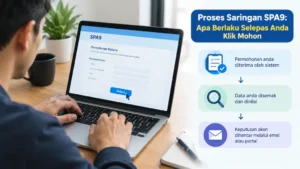
Perasaan gembira apabila menerima e-mel panggilan Peperiksaan Memasuki Perkhidmatan Awam (PSEE) daripada Suruhanjaya Perkhidmatan Awam (SPA) selalunya tidak bertahan lama. Sebaik sahaja calon menyedari bahawa mereka perlu menduduki Ujian Psikometrik, panik mula melanda. Setiap tahun, lebih 60% calon tapisan awal kecundang di fasa ini. Mereka bukan gagal kerana tidak pandai, tetapi mereka gagal kerana terlalu mencuba untuk kelihatan ‘sempurna’ di mata pangkalan data kerajaan.
Sebagai penyelidik dan perunding pentadbiran awam, saya telah meneliti pola kegagalan calon dari pelbagai gred jawatan, bermula dari Gred 19 sehinggalah ke Gred 41. Ujian Psikometrik SPA bukanlah ujian IQ, Matematik, atau Pengetahuan Am. Ia adalah instrumen saringan psikologi berkomputer yang direka khas untuk mengukur tahap kestabilan emosi, integriti, kepimpinan, dan toleransi stres anda. Jika anda merancang untuk “menipu” sistem ini dengan memberikan jawapan hipokrit, algoritma SPA telah diprogramkan untuk mengesan penipuan tersebut secara automatik. Panduan taktikal ini akan membongkar struktur tersembunyi ujian ini agar anda mampu menjawab dengan konsisten dan melepasi saringan tanpa sebarang amaran bendera merah (red flag).
Memahami Anatomi Ujian: Skala Penipuan (Lie Scale)
Sebelum anda log masuk ke portal peperiksaan, anda wajib memahami satu komponen algoritma yang dipanggil ‘Lie Scale’ (Skala Penipuan). Sistem SPA menggunakan skala ini untuk mengenal pasti calon yang mengalami sindrom *Fake Good* — iaitu keadaan di mana calon menanda jawapan yang terlalu ideal sehingga tidak masuk akal (mengingkari lumrah sifat manusia).
Sebagai contoh, sistem akan memaparkan soalan: “Saya tidak pernah berasa marah walaupun sekali dalam hidup saya.” Jika anda menjawab “Sangat Setuju” semata-mata untuk kelihatan seperti seorang yang penyabar, algoritma akan terus menanda profil anda dengan markah penipuan. Secara psikologinya, mustahil bagi seorang manusia normal untuk tidak pernah berasa marah. SPA mencari calon yang rasional, bukan malaikat tanpa dosa.
Perangkap Soalan Berulang (Konsistensi)
Kunci kedua untuk lulus ujian ini adalah konsistensi. Jika anda diuji dengan 200 soalan, anda akan menyedari bahawa soalan-soalan tertentu seolah-olah ditanya berulang kali, tetapi menggunakan struktur ayat yang berbeza. Ini adalah perangkap (trap) yang direka untuk menguji pendirian (stance) personaliti anda.
| Struktur Ayat & Perangkap Konsistensi | Jawapan Pemohon (Gagal) | Jawapan Pemohon (Lulus) |
|---|---|---|
| Soalan No. 12: “Saya lebih suka bekerja sendirian berbanding di dalam kumpulan.” |
Sangat Tidak Setuju | Sangat Tidak Setuju |
| Soalan No. 87: “Hasil kerja saya lebih cemerlang jika saya tidak diganggu oleh rakan sepasukan.” |
Sangat Setuju (Ralat: Bercanggah dengan jawapan Q12) |
Tidak Setuju (Tepat: Pendirian kerja berpasukan kekal) |
| Soalan No. 156: “Berkongsi idea bersama orang lain sering melambatkan proses penyiapan tugasan.” |
Setuju (Ralat: Algoritma menanda profil ini sebagai individu mementingkan diri) |
Sangat Tidak Setuju (Tepat: Konsisten dari Q12, Q87 hingga Q156) |
Jika anda memilih jawapan yang saling bercanggah bagi kumpulan soalan yang mengukur parameter yang sama, sistem akan merumuskan bahawa anda seorang yang tidak pendirian tetap (fickle-minded) atau anda sedang mencuba untuk menipu ujian tersebut. Kedua-dua konklusi ini membawa kepada satu status: “Tidak Melepasi Syarat Peperiksaan”.
Nasihat Pentadbiran / Tips Orang Dalam
Sebagai pentadbir yang memahami profil kompetensi kerajaan, anda perlu tahu bahawa setiap gred jawatan mencari tret personaliti yang berbeza. Ujian psikometrik untuk jawatan Pegawai Penjara (KA19) dan ujian untuk Pegawai Tadbir dan Diplomatik (M41) menilai dua perkara yang berlainan.
Jika anda memohon jawatan beruniform atau penguatkuasaan (Kastam, Imigresen, JPJ), algoritma SPA akan mencari calon yang mempunyai markah tinggi pada komponen Kepatuhan kepada Arahan dan Toleransi Tekanan. Jawapan anda mestilah menggambarkan profil individu yang tegas, mengikut arahan ketua, dan tidak mudah panik. Sebaliknya, jika anda memohon jawatan profesional pentadbiran atau pegawai perhubungan, jawapan anda harus menonjolkan profil yang empati, fleksibel, tinggi kemahiran diplomasi (extraversion), dan terbuka kepada idea baharu.
Satu strategi rahsia: Cuba elakkan menggunakan jawapan “Tidak Pasti / Sederhana”. Walaupun pilihan ini wujud, penggunaan jawapan “Tidak Pasti” yang melebihi 20% daripada keseluruhan soalan akan merendahkan kebolehpercayaan profil anda. Calon yang terlalu kerap memilih posisi ‘selamat’ ini dilihat sebagai individu yang tiada keyakinan diri dan sukar membuat keputusan apabila ditekan di tempat kerja.
Penyelesaian Masalah & Ralat Sistem Peperiksaan (Troubleshooting)
Selain cabaran menjawab soalan, cabaran teknikal portal peperiksaan dalam talian sering menyebabkan calon gagal sebelum sempat bermula. Sistem pelayan SPA menampung puluhan ribu trafik secara serentak, justeru ketegangan server amat lazim. Berikut adalah cara menangani krisis pentadbiran IT semasa hari peperiksaan.
1. Pautan Peperiksaan (Link) Tidak Diterima Dalam E-mel
- Punca: Tetapan pelayan (server) e-mel anda menapis e-mel pukal kerajaan dan memasukkannya ke dalam folder Spam, atau anda menukar alamat e-mel utama di portal SPA9 selepas pendaftaran peperiksaan dijana.
- Penyelesaian: Jangan tunggu e-mel. Mulai tahun-tahun kebelakangan ini, SPA menyediakan pautan peperiksaan secara terus di Portal Rasmi SPA (Semakan Jadual Peperiksaan). Masukkan nombor MyKad anda di portal semakan awam SPA sekurang-kurangnya 2 hari sebelum ujian untuk mendapatkan pautan dan kata laluan unik peperiksaan tersebut.
2. Terputus Talian Internet Semasa Menjawab (Disconnected)
- Punca: Gangguan WiFi di rumah, kuota data peribadi habis, atau pelayan SPA terputus (*Gateway Timeout 504*).
- Penyelesaian: Bertenang. Portal PSEE SPA mempunyai fungsi *auto-save* secara berperingkat. Jika skrin anda membeku atau memaparkan halaman ralat, tutup terus pelayar (*close browser*). Jangan klik *refresh* berulang kali. Buka pelayar baharu, log masuk semula menggunakan kata laluan yang sama, dan sistem akan menyambung sesi anda pada soalan terakhir yang telah disimpan asalkan tempoh masa rasmi peperiksaan (contohnya 1.5 jam) belum tamat.
3. Butang “Seterusnya” Tidak Berfungsi (Skrin Beku)
- Punca: Terdapat ralat pada ‘cache’ penyemak imbas (*browser cache*) komputer anda atau anda menggunakan versi pelayar yang terlalu lama dan tidak menyokong *script* peperiksaan SPA.
- Penyelesaian: Pastikan anda hanya menggunakan pelayar Google Chrome atau Mozilla Firefox versi terkini. Jika butang tidak berfungsi, tekan kombinasi papan kekunci CTRL + SHIFT + R (untuk Windows) bagi melaksanakan *Hard Refresh*. Ini akan memuat turun semula skrip halaman tanpa membuang jawapan yang telah ditanda pada skrin tersebut.
Soalan Lazim (FAQ) Calon Psikometrik
1. Berapakah markah lulus (passing mark) untuk Ujian Psikometrik SPA?
Ujian Psikometrik tidak mempunyai markah lulus statik seperti 50% atau 80%. Kelulusan ditentukan oleh padanan lengkung normal (*bell curve*) personaliti. Anda diukur berdasarkan keserasian profil jawapan anda dengan indeks kompetensi jawatan tersebut dan prestasi keseluruhan calon lain pada sesi ujian yang sama. Profil yang ekstrem (terlalu dominan atau terlalu introvert) selalunya akan gagal secara automatik.
2. Adakah kamera web (webcam) saya perlu dibuka sepanjang tempoh peperiksaan?
Untuk Peperiksaan Memasuki Perkhidmatan Awam (PSEE) Tahap 1 termasuk Ujian Psikometrik dan Pengetahuan Am, SPA tidak mewajibkan atau mengaktifkan rakaman *webcam*. Ujian ini bersifat inventori kendiri tanpa pengawasan kamera. Bagaimanapun, integriti masa dipantau dengan ketat; masa akan terus berjalan walaupun anda log keluar.
3. Berapa lamakah masa yang diperuntukkan dan berapa jumlah soalan?
Peruntukan masa berbeza mengikut skim, namun format standard selalunya merangkumi antara 150 hingga 200 soalan, dan anda hanya diberikan masa sekitar 60 minit. Secara puratanya, anda mempunyai kurang daripada 20 saat untuk menjawab setiap soalan. Ini disengajakan untuk memaksa anda menanda jawapan refleks (jawapan naluri) agar anda tiada masa untuk memikirkan jawapan hipokrit atau menipu algoritma.
4. Jika saya gagal ujian Psikometrik, adakah nama saya disenarai hitam daripada SPA9?
Tidak. Kegagalan pada ujian ini hanya menggugurkan nama anda untuk urusan temu duga gred jawatan tersebut bagi pengambilan tahun (sesi) itu sahaja. Rekod SPA9 anda tetap bersih, dan anda berpeluang dipanggil menduduki peperiksaan baharu jika kementerian membuat waran pengambilan pada masa akan datang.
Persediaan mental untuk Ujian Psikometrik bukanlah dengan menghafal jawapan, tetapi melalui pengenalan diri yang jujur dan pemahaman tentang nilai murni yang dicari oleh sebuah kerajaan. Apabila anda mula berfikir seperti seorang penjawat awam yang efisien, telus, dan mematuhi hierarki—jawapan pada skrin akan mengalir secara natural dan selari. Tenangkan minda, jaga konsistensi, dan biarkan algoritma SPA membuktikan bahawa profil kerjaya anda adalah aset yang dicari oleh negara.